
How to Know if Tables Are Being Neglected in a Restaurant
How to know if tables are being neglected in a restaurant isn’t always obvious during a shift.
Guests don’t raise their hands. Staff feel busy. From a distance, everything can look fine.
But small gaps build quietly — a table waiting too long, a missed check-in, a delay no one catches.
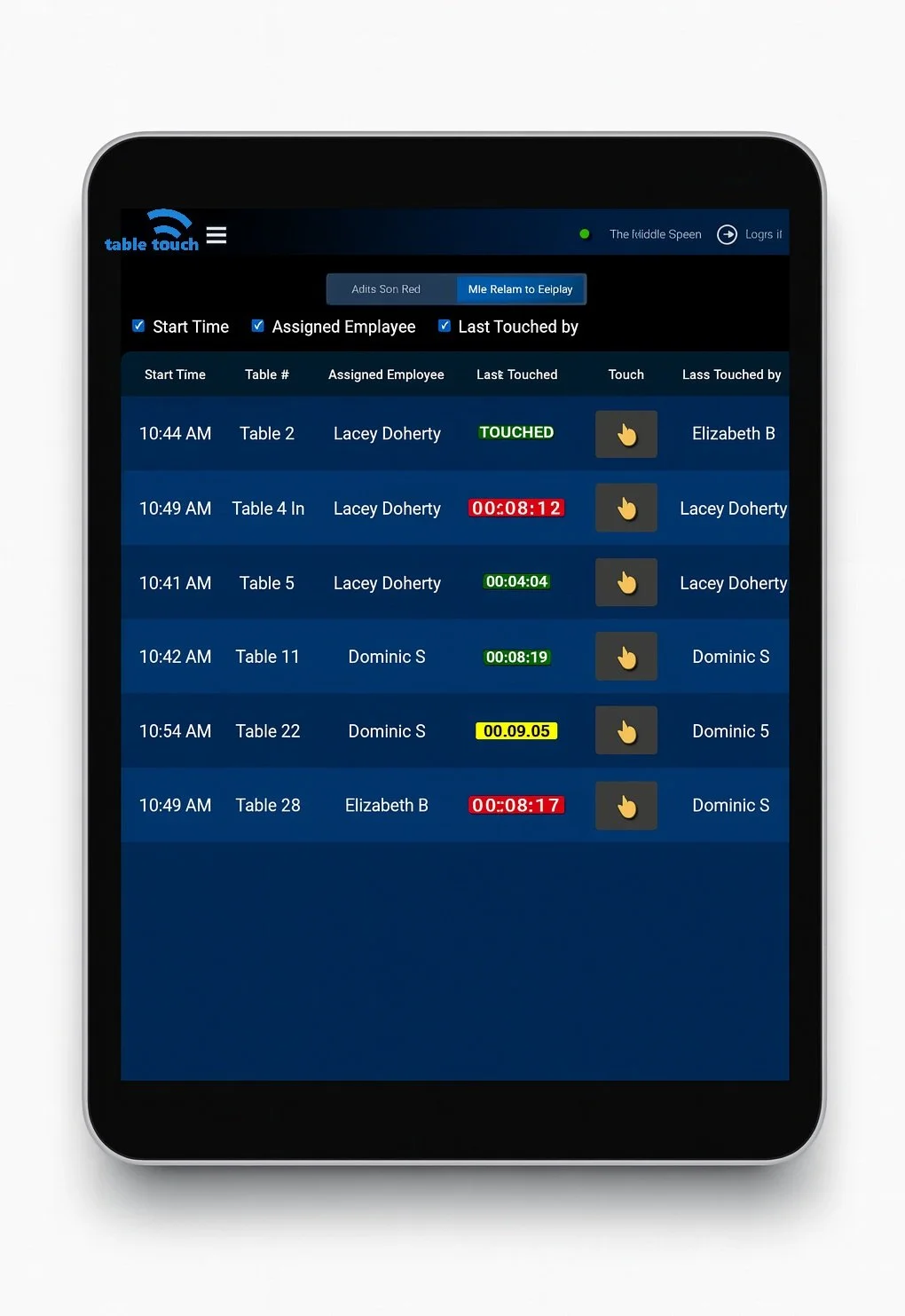
This is where Table Touch comes in — a system that shows exactly how long it’s been since each table was last visited, so hidden gaps become visible the moment they happen.
Why Neglected Tables Are Hard to Spot
Neglected tables rarely stand out.
Guests don’t always signal when they need something
Staff feel busy and assume coverage is happening
Managers rely on scanning the room while juggling other tasks
The issue is not effort.
It’s a lack of table awareness in real time.
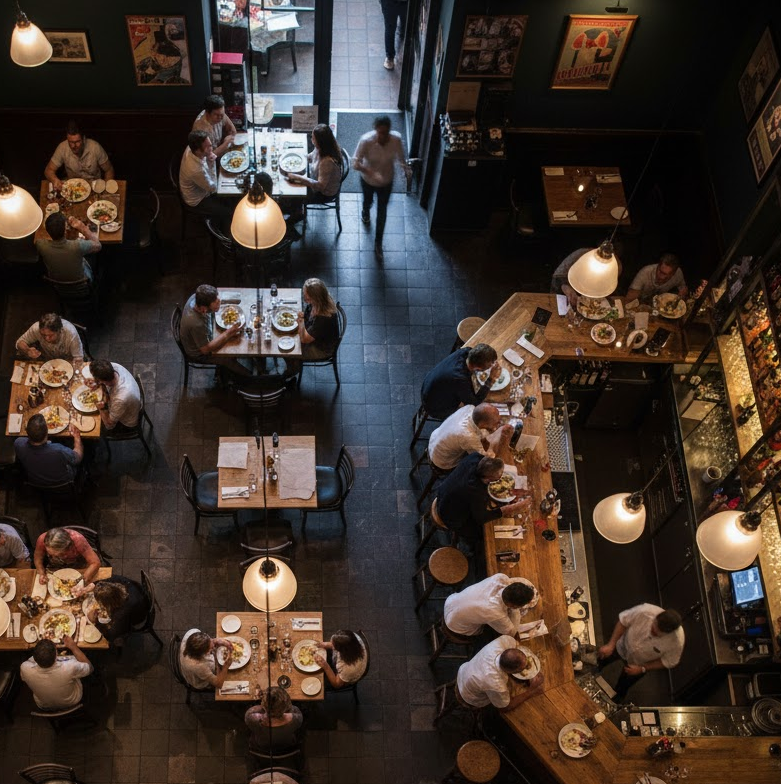
This leads to guests being ignored, even when staff are actively working. Without a system that makes timing visible, these gaps are easy to miss during service.
Where Service Gaps Actually Come From
Most gaps come from timing, not intention.
tables not being checked on
tables waiting too long
missed service moments
These are service blind spots.
They build quietly and are easy to miss during a busy shift.Without a way to track time since last visit, there is no clear signal that a table is being neglected. That is one of the main problems Table Touch is designed to solve.
What Visibility Actually Looks Like
When you can see how long it’s been since each table was last visited:
You see which tables are slipping, even when the room feels busy
You know the real time since last visit—not what it feels like
You catch service gaps early, before they turn into bad outcomes
You move from guessing to knowing.
This kind of visibility gives the floor a shared sense of timing, so problems can be addressed before they turn into poor guest experiences.
How Table Touch Supports This
Table Touch makes table timing visible in the moment. Automatically.
Employees don’t have to do anything extra for Table Touch to work.
The display automatically shows:
time since last employee visit
current status
when attention is needed
As time passes, visual indicators change:
green → recently visited
yellow → approaching a gap
red → needs attention
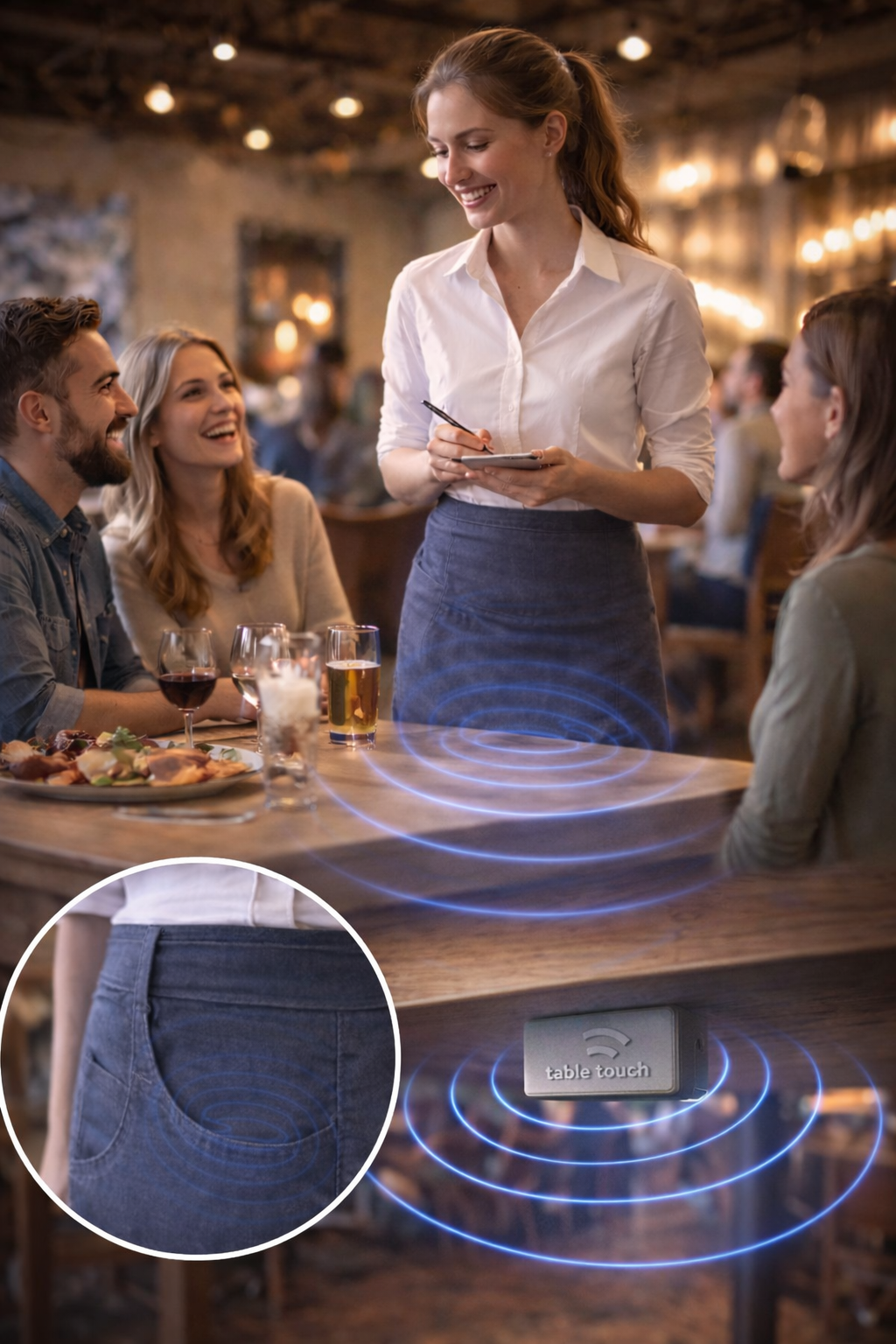
Devices affixed to the underside of tables wirelessly register a touch and send it back to our system when a small device in the server’s pocket stops at the table. This makes unnoticed service gaps immediately visible and removes service blind spots from the floor. Table Touch helps the team see where attention is needed without adding extra work.
What This Changes on the Floor
When neglected tables are visible:
staff adjust naturally
managers step in earlier
guests are checked on at the right time
You’re not adding work.
You’re removing uncertainty and improving table awareness across the entire floor.
With clearer timing across the room, the team no longer has to rely on instinct alone. Table Touch gives operators a more reliable view of what is happening as service unfolds.
FAQ
What kind of insights can you get after the shift?
Time to first visit, longest gaps in service, total touches, touch duration, and which employee made each visit—tracked for every table and every shift are all part of both our individual employee or full location reports.
You can see who steps in to help and who consistently builds guest relationships.
Service becomes measurable, not assumed.
How can I tell if a table has been waiting too long?
You need to track how long it’s been since the last visit. Table Touch does that automatically, so you’re working from timing data instead of perception.
Why do tables get neglected even with good staff?
Because service gaps are hard to see in real time, especially during busy shifts.
Do managers usually notice neglected tables?
Not always. Visual scanning misses timing gaps that aren’t obvious.
What’s the best way to prevent missed service moments?
Make time since last visit visible so staff know exactly when to return. This allows for team work so anyone can step in.
See How Table Touch Would Work in Your Restaurant
Understand exactly how long it’s been since each table was last visited — and where attention is needed next.