
Software to Track Server Performance in a Restaurant Dining Room
Software to track server performance in a restaurant dining room helps you stay on top of service as it’s happening.
During a busy shift, it’s hard to know which tables have been checked on, where gaps are forming, or which staff need support.
From the floor, everything can feel under control — until it isn’t.
The challenge isn’t effort. It’s staying aware of what’s happening across every table in real time.
Table Touch makes that visible, so staff and managers can respond in the moment and keep service on track.
Why Performance Is Hard to Track During a Shift
Once service begins, attention is constantly divided:
Multiple tables at different stages
New guests arriving
Orders being taken and delivered
Payments and resets happening at the same time
Even strong teams can miss things.
A table might go too long without a visit.
Another might be ready to order but hasn’t been checked on.
These gaps aren’t intentional — they’re hard to see while everything is moving.
How Table Touch Tracks Performance in Real Time
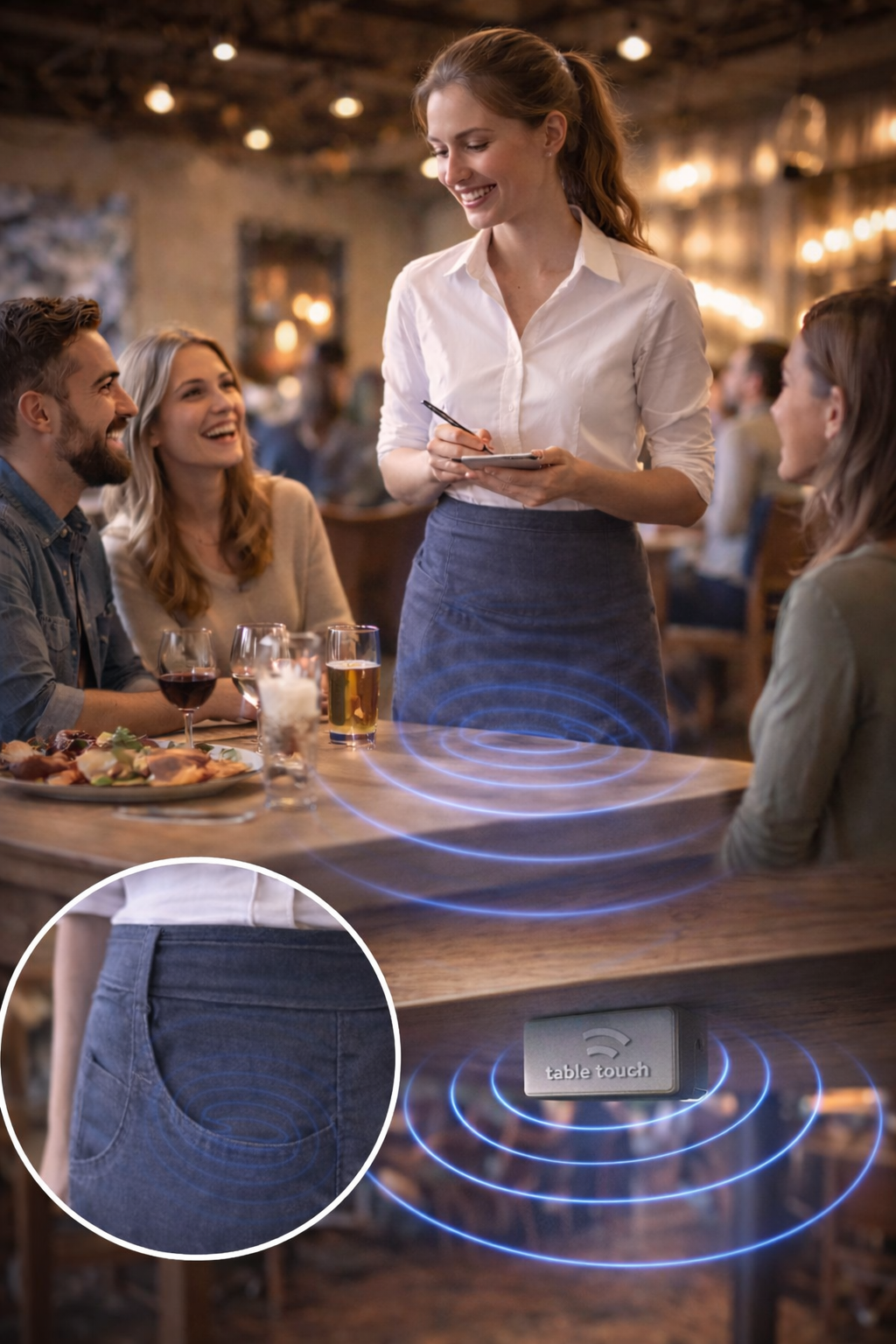
Table Touch works using small devices placed under each table and carried by servers in their pocket or apron.
When a server approaches a table, the system automatically detects the interaction and registers the visit.
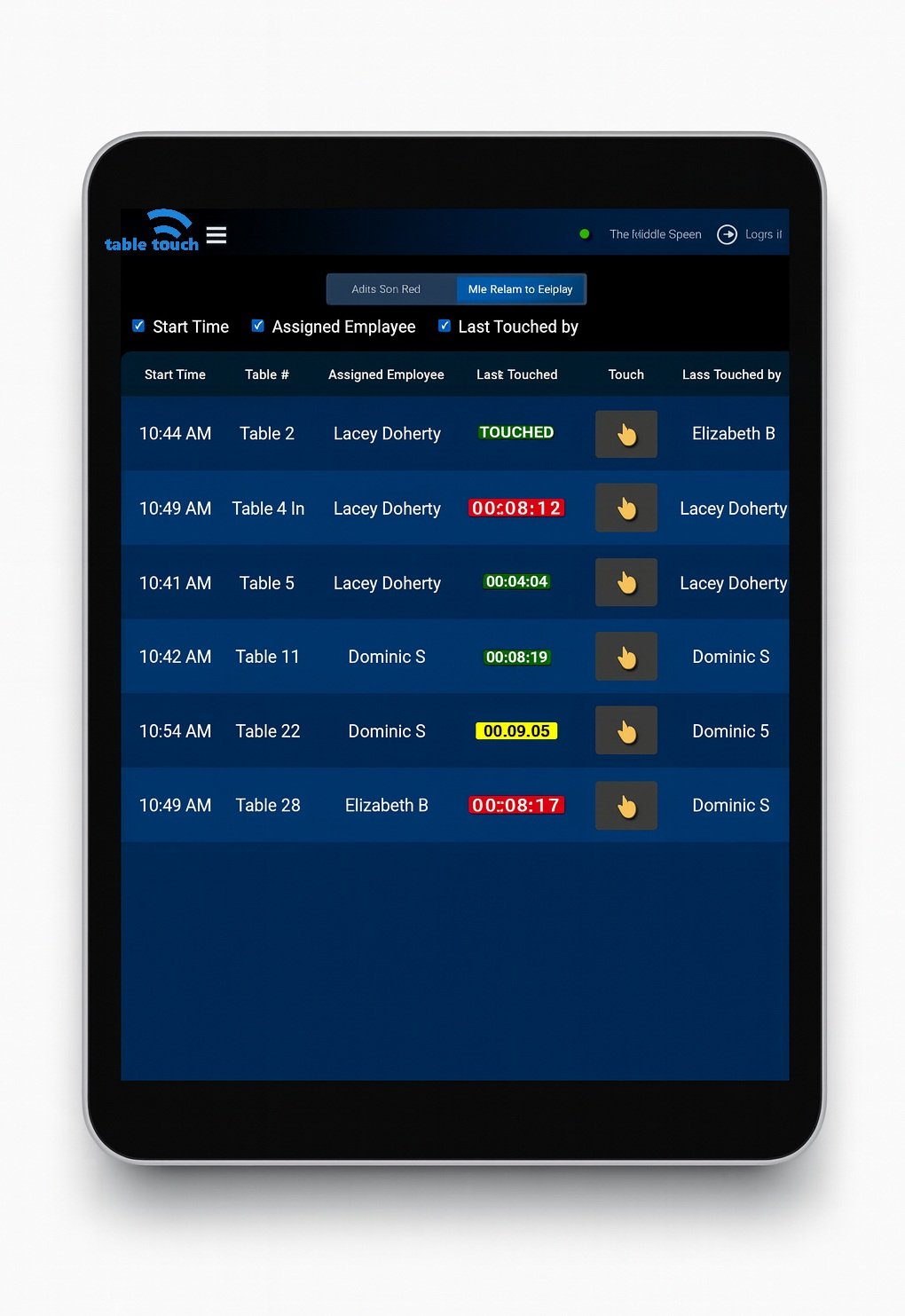
This activity is reflected instantly, showing how long it has been since each table was last attended.
Because this happens automatically — without taps, scans, or manual input — staff don’t have to think about tracking performance.
They can focus on service, while the system keeps timing visible in the background.
Stay on Top of Service as It Happens
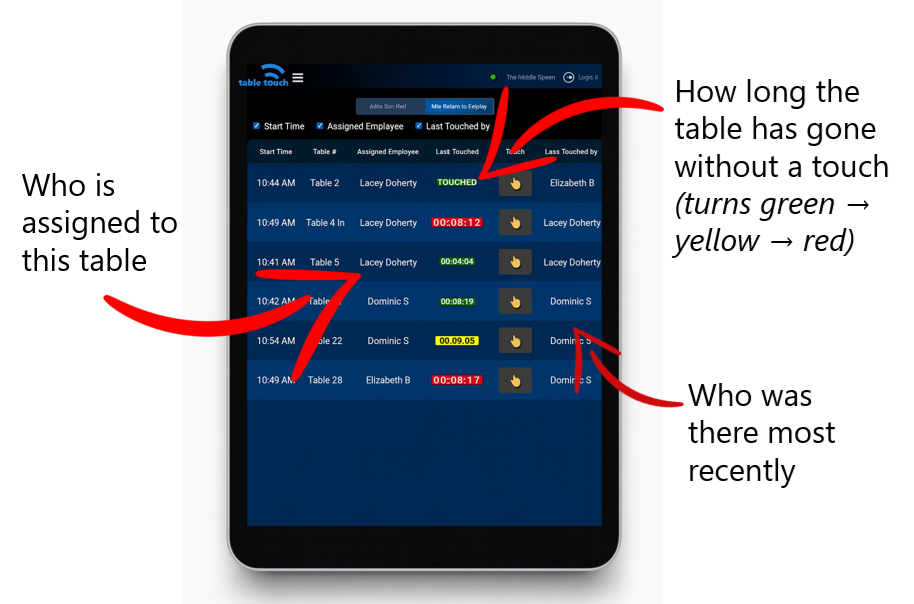
With real-time visibility, performance becomes something you can act on immediately.
You can see:
Which tables haven’t been visited recently
Where time gaps are starting to grow
Which areas of the floor need attention
Instead of relying on instinct or scanning the room, you have a clear view of where to focus.
Adjust and Support in the Moment
When gaps are visible, they can be corrected before they turn into problems.
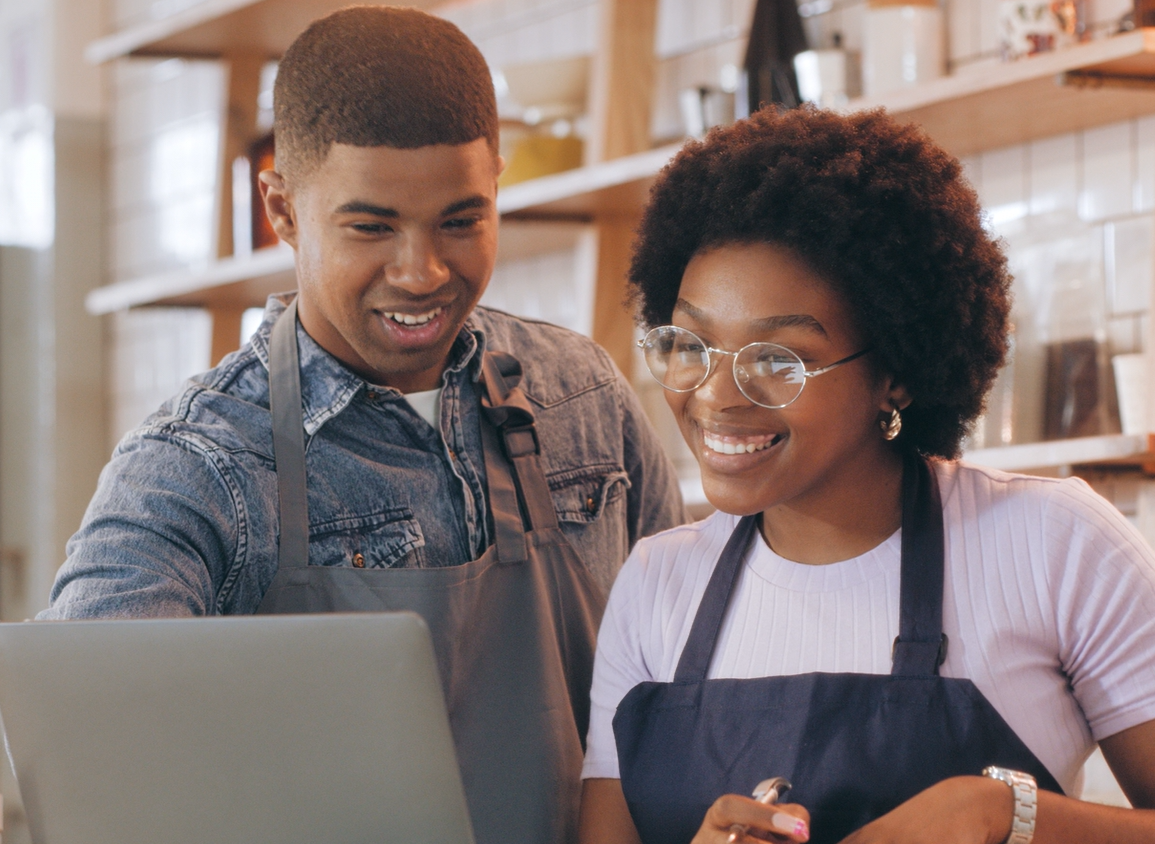
A manager can step in to support a table.
A server can adjust their route and prioritize the right guests.
The team can work together to keep coverage consistent.
This keeps service smooth, even during busy periods.
Consistent Service Starts During the Shift
Strong performance isn’t built after the fact — it happens in the moment.
By making table activity visible, Table Touch helps staff stay aware, make better decisions, and maintain consistent service across the entire dining room.
Instead of reacting after service has already slipped, teams can stay ahead of it.
FAQ
How do most restaurants currently track server performance?
Most restaurants rely on sales data, guest feedback, or manager observation. These methods don’t capture how often tables are visited or how consistent service timing is across the floor.
What makes Table Touch different from traditional reporting tools?
Table Touch automatically tracks table visits and service frequency in real time, then turns that into structured performance data so teams can stay on top of performance as service unfolds
Does Table Touch require staff to input data or change their workflow?
No. Table Touch works passively in the background. It captures table visits automatically without requiring staff to tap, scan, or log anything.
Can Table Touch help improve service consistency across servers?
Yes. Table Touch provides clear data on time between visits and service frequency by server, making it easier to identify gaps and improve consistency across the team.
What kind of insights can you get after the shift?
Time to first visit, longest gaps in service, total touches, touch duration, and which employee made each visit, tracked for every table and every shift are all part of both our individual employee or full location reports.
You can see who steps in to help and who consistently builds guest relationships.
Service becomes measurable, not assumed.
See How Table Touch Would Work in Your Restaurant
Understand exactly how long it’s been since each table was last visited. and where attention is needed next in the moment.