
How to Increase Restaurant Sales
How to increase restaurant sales isn’t only about getting more guests through the door.
It’s also about what happens during each visit.
Missed drink orders, delayed check-ins, and slow follow-up moments all reduce how much a guest spends.
These gaps don’t stand out — they happen quietly during service.
That’s where revenue is often lost.
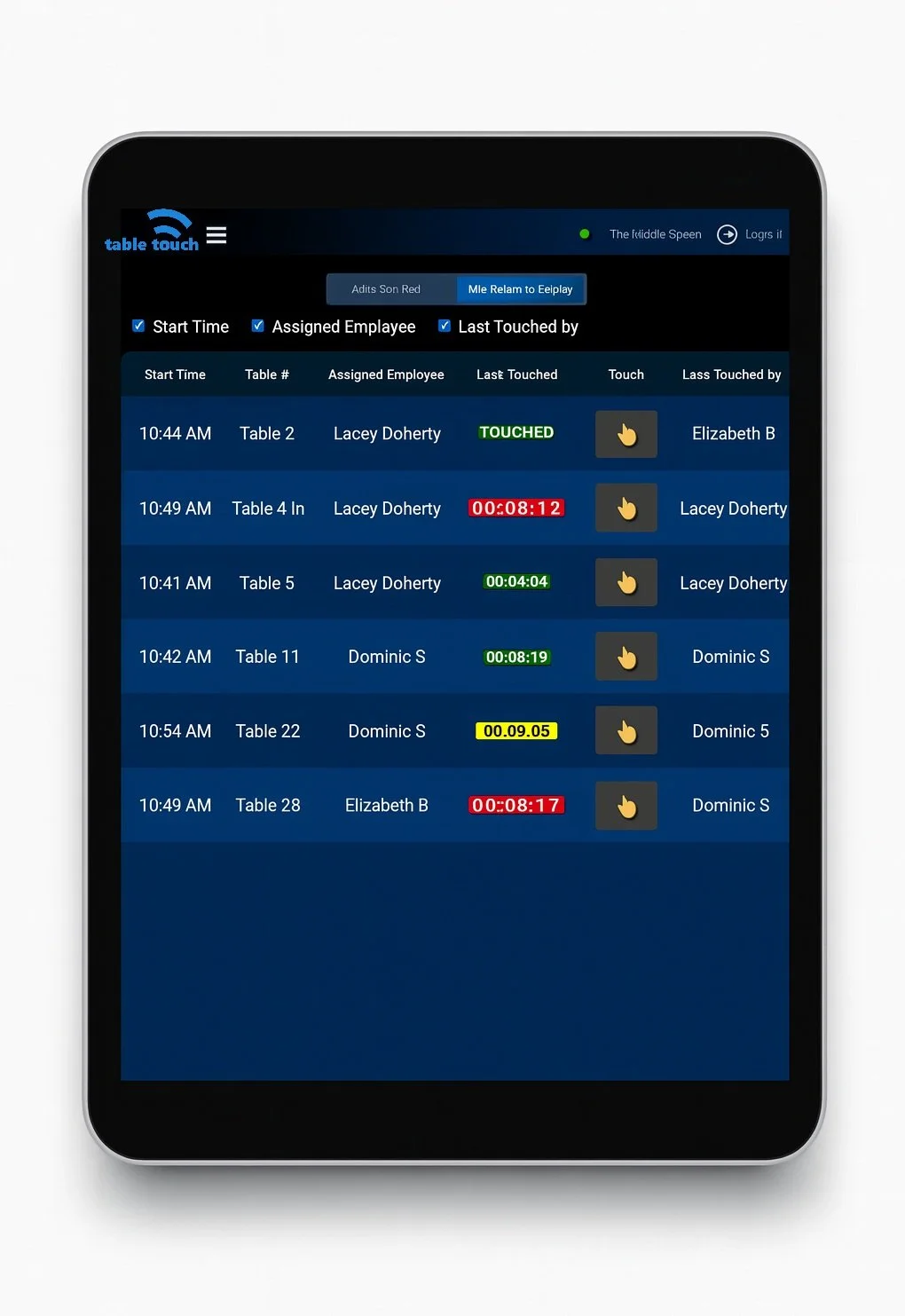
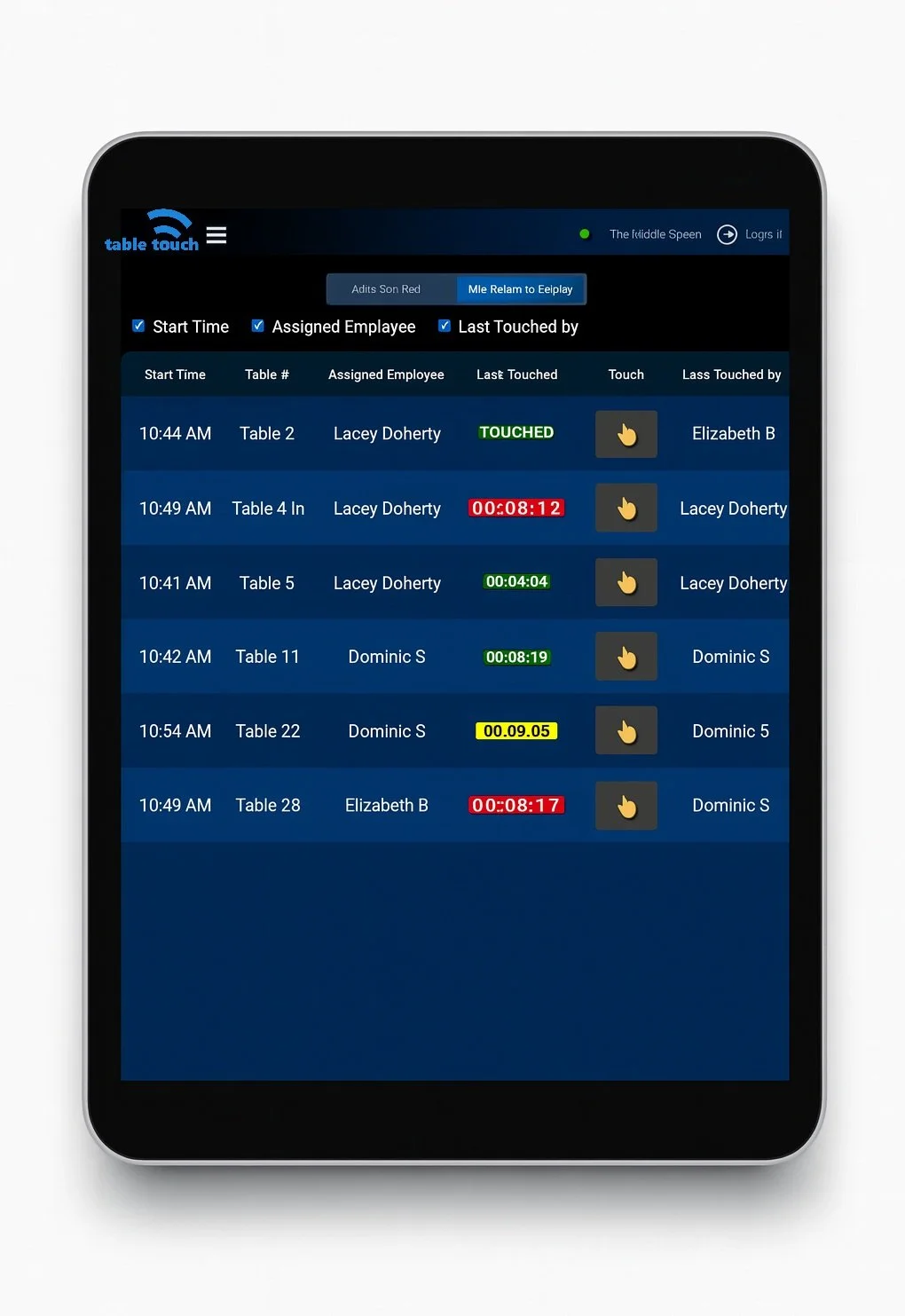
Table Touch helps by showing exactly how long it’s been since each table was last visited, so staff can stay on top of service and catch more opportunities to sell throughout the visit.
Where Restaurant Sales Are Actually Lost
Most lost revenue doesn’t come from pricing or menu design.
It comes from timing.
A guest is ready for another drink, but no one checks in
A table would have ordered dessert, but the moment passes
Guests wait too long between visits and disengage
These aren’t major mistakes.
They’re small missed moments that add up across the shift.
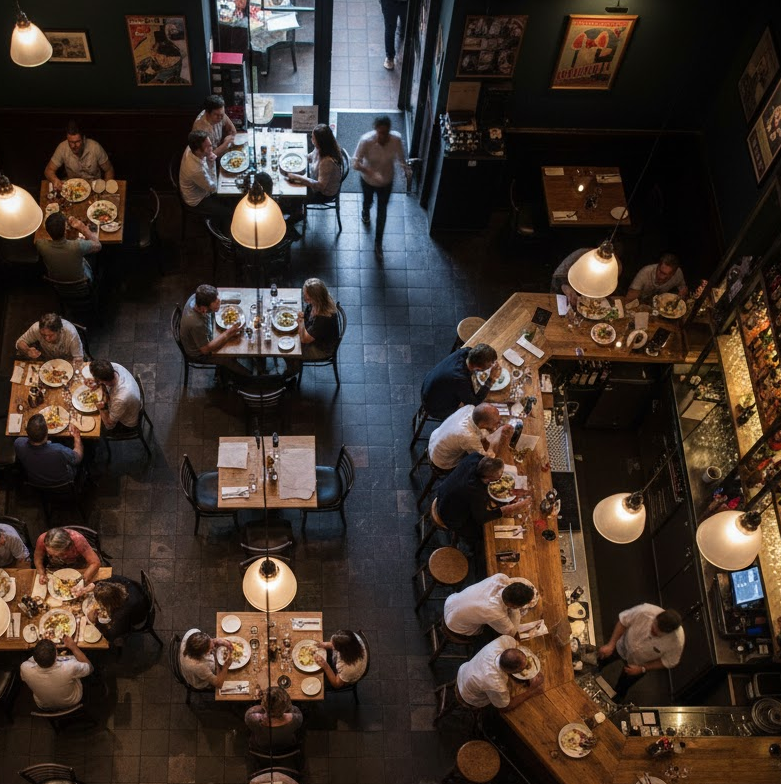
Without a clear sense of timing across tables, these opportunities are easy to miss.
Why Timing Drives Sales Per Table
Guests don’t always ask for what they want.
They respond to service.
When check-ins happen at the right time:
Guests are more likely to order another round
Staff have natural opportunities to suggest items
Tables stay engaged throughout the visit
When timing is off:
Orders are delayed or skipped
Guests lose interest
The visit ends earlier than it could have
Improving timing doesn’t just improve service — it increases average guest spend.
How Table Touch Helps Capture More Opportunities
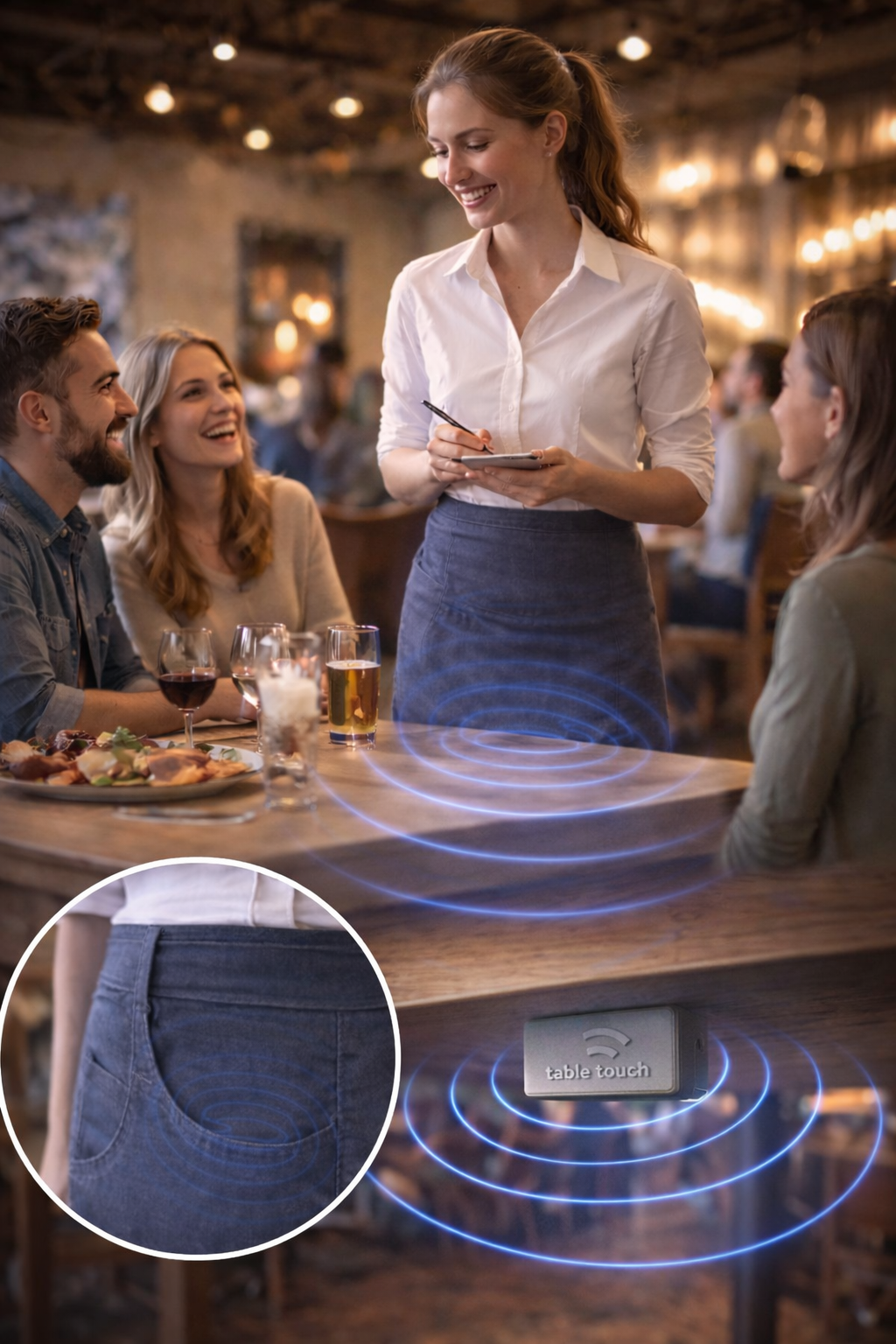
Table Touch works using small devices placed under each table and carried by servers in their pocket or apron.
When a server approaches a table, the system automatically detects the interaction and records the visit.
As service unfolds, this shows how long it has been since each table was last attended.
This gives staff a clear sense of timing across the floor, so they can return to tables at the right moments — not too early, not too late.
Because this happens automatically, there’s nothing for staff to track or remember.
They can focus on service, while the system helps keep timing consistent.
Stay Present at the Right Moments
With clear timing across tables, staff can:
Return when guests are ready for another order
Catch natural upsell opportunities
Keep tables engaged throughout the visit
Instead of relying on instinct, they have a consistent rhythm to follow.
This leads to better service and more chances to sell — without adding pressure or scripts.
Increase Sales Without Changing Your Menu
Increasing restaurant sales doesn’t require:
redesigning your menu
raising prices
adding promotions
It comes from making the most of each table you already have.
When service timing improves:
more orders are placed
fewer opportunities are missed
average check size increases
Small improvements across many tables lead to meaningful revenue growth.
Better Service Leads to Repeat Visits
Sales don’t end when the guest leaves.
Consistent, well-timed service creates a better overall experience.
Guests feel:
looked after
engaged
more satisfied with their visit
This increases the likelihood of return visits and long-term revenue growth.
Turn Service Into a Revenue Driver
When timing is visible, service becomes more consistent.
Staff stay on top of their tables.
Managers can support at the right moments.
Guests are engaged throughout the visit.
Table Touch helps turn everyday service into a more reliable way to increase restaurant sales — by reducing missed moments and making the most of every guest interaction.
See How Table Touch Would Work in Your Restaurant
Understand exactly how long it’s been since each table was last visited — and where attention is needed next.
FAQ
How can a restaurant increase sales without more customers?
By improving service timing during each visit. More consistent check-ins lead to more orders, higher engagement, and increased average guest spend.
Why do restaurants miss sales opportunities during service?
Because staff can’t always see how long it’s been since a table was last visited. Without that awareness, key moments to take orders or suggest items are missed.
Does better service really increase revenue?
Yes. Well-timed service keeps guests engaged and creates more opportunities for additional orders, which increases sales per table.
Do staff need to change how they work?
No. Table Touch works automatically in the background, helping staff stay aware of timing without adding extra steps.
What impact does timing have on average check size?
Timing directly affects how many opportunities there are to place additional orders. Better timing leads to more interactions, which increases overall spend per table.